GPhC-Registered ~ Free UK delivery over £50

Acne Vulgaris
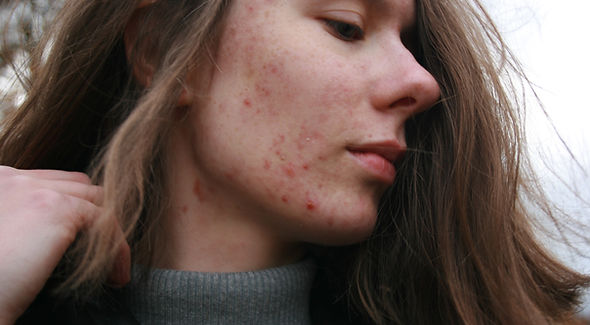
Acne is a very common skin condition that occurs when the tiny pores (hair follicles) in your skin become blocked with natural oils, dead skin cells, and bacteria.
Your skin naturally produces an oil called sebum to keep itself moist and protected. However, during hormonal changes, stress, or due to genetic factors, your skin may produce too much sebum and shed dead skin cells more rapidly.
Types of Acne Blemishes
-
Comedones (Non-Inflammatory Acne):
-
Blackheads (Open Comedones): Pores blocked with oil and dead skin that darken when exposed to air.
-
Whiteheads (Closed Comedones): Pores blocked beneath the surface, forming small flesh-coloured or white bumps.
-
-
Inflammatory Blemishes:
-
Papules & Pustules: Red, swollen, or tender bumps, often containing pus, caused by bacterial overgrowth inside blocked pores.
-
Nodules & Cysts: Deep, hard, or painful lumps under the skin that carry a higher risk of scarring.
-
How to Manage Acne
-
Managing acne effectively requires a dual approach: a consistent, skin-friendly daily routine combined with targeted prescription treatments.
1. Daily Skincare Habits
-
Wash twice daily: Use a gentle, non-comedogenic (won't clog pores) cleanser and lukewarm water. Avoid aggressive scrubbing, which can worsen inflammation.
-
Moisturise regularly: Apply an oil-free, non-comedogenic moisturiser to maintain the skin’s natural moisture barrier, especially when using drying medical treatments.
-
Avoid picking or squeezing: Popping spots forces bacteria deeper into the skin and increases the risk of scarring and hyperpigmentation.
-
Use daily sunscreen: Many acne treatments increase sun sensitivity. Choose an oil-free, broad-spectrum SPF 30+ sunscreen.
2. Medical Prescription Options
-
When over-the-counter washes and gentle skincare are not sufficient, targeted topical prescription treatments are available for adults and young people aged 12 years and older.
1. Duac® Gel (Clindamycin 1% / Benzoyl Peroxide 5%)
-
Best For: Predominantly Inflammatory Acne (Red spots, painful bumps, and pustules).
-
How It Works:
-
Combines a topical antibiotic (Clindamycin) with an antibacterial agent (Benzoyl Peroxide).
-
Clindamycin targets and stops the growth of Cutibacterium acnes bacteria.
-
Benzoyl Peroxide kills bacteria on contact, prevents antibiotic resistance, and helps unblock pores.
-
-
Key Clinical Advantage: Fast-acting combination that rapidly reduces redness, swelling, and active breakouts.
2. Epiduo® Gel (Adapalene 0.1% / Benzoyl Peroxide 2.5%)
-
Best For: Predominantly Comedonal Acne (Blackheads, whiteheads, bumpy skin texture, and mild inflammation).
-
How It Works:
-
Combines a retinoid (Adapalene) with Benzoyl Peroxide.
-
Adapalene speeds up skin cell turnover, preventing dead skin cells from clogging pores and reducing inflammation.
-
Benzoyl Peroxide tackles surface bacteria and assists in unblocking pores.
-
-
Key Clinical Advantage: Highly effective for clearing stubborn blackheads, whiteheads, and preventing new spots from forming.
3. Skinoren® 20% Cream (Azelaic Acid 20%)
-
Best For: Sensitive Skin or Treatment Intolerance (Dry, delicate skin, or patients who experience irritation from retinoids/benzoyl peroxide).
-
How It Works:
-
Uses Azelaic Acid, a naturally occurring acid that gently reduces bacterial growth and clears dead skin cells.
-
Gently reduces inflammation and prevents pore blockages without harsh drying effects.
-
-
Key Clinical Advantage: Extremely well-tolerated on delicate skin and helps reduce post-acne dark marks (post-inflammatory hyperpigmentation).
