GPhC-Registered ~ Free UK delivery over £50

Acid Reflux
Acid reflux occurs when stomach acid flows back up into the oesophagus (the food pipe connecting your mouth to your stomach).
-
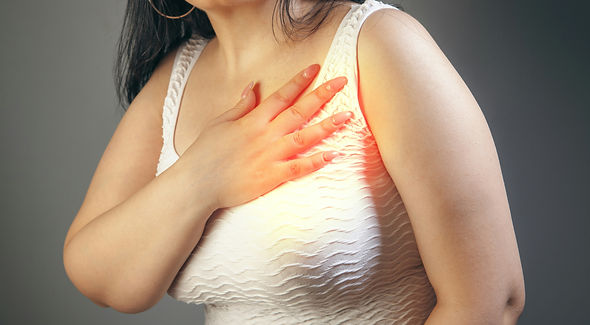
Heartburn: A burning chest pain or discomfort behind the breastbone, often worse after eating, bending over, or lying down.
-
GORD (Gastro-Oesophageal Reflux Disease): The medical term used when acid reflux happens repeatedly or severely enough to cause ongoing irritation or long-term complications.
-
Dyspepsia (Indigestion): A general term for discomfort or pain in the upper abdomen, often felt alongside bloating, nausea, or feeling full too quickly after eating.
1. Lifestyle & Diet Adjustments
-
Eat smaller, frequent meals: Large meals expand the stomach and put upward pressure on the muscle valve.
-
Identify trigger foods: Common culprits include spicy or greasy foods, chocolate, caffeine, alcohol, and tomatoes.
-
Avoid lying down right after eating: Wait at least 3 hours after a meal before going to sleep or lying flat.
-
Elevate your head while sleeping: Raising the head of your bed by 10–20 cm uses gravity to keep acid in your stomach.
-
Maintain a healthy weight: Excess weight around the middle increases abdominal pressure on the stomach.
-
Stop smoking: Nicotine relaxes the lower oesophageal sphincter muscle.
2. Over-the-Counter Relief (Fast Action, Short Duration)
-
Antacids: Neutralise existing stomach acid quickly for immediate short-term relief (e.g., Rennies, Bisodol).
-
Alginates: Form a protective "raft" or physical barrier on top of the stomach contents to block acid from rising (e.g., Gaviscon).
3. Prescriptions
-
Target the Root Cause of Pain: Your stomach lining contains millions of microscopic tiny pumps called "proton pumps" that produce stomach acid. PPIs temporarily shut these pumps down, significantly reducing total acid production.
-
Allow the Oesophagus to Heal: By lowering stomach acidity, PPIs take away the harsh chemical irritation, giving the delicate lining of the oesophagus and stomach a chance to soothe and repair.
-
Provide Continuous Protection: Unlike antacids which neutralize acid already made, PPIs work proactively to stop acid production at the source, offering up to 24 hours of relief per dose.
